Abstract
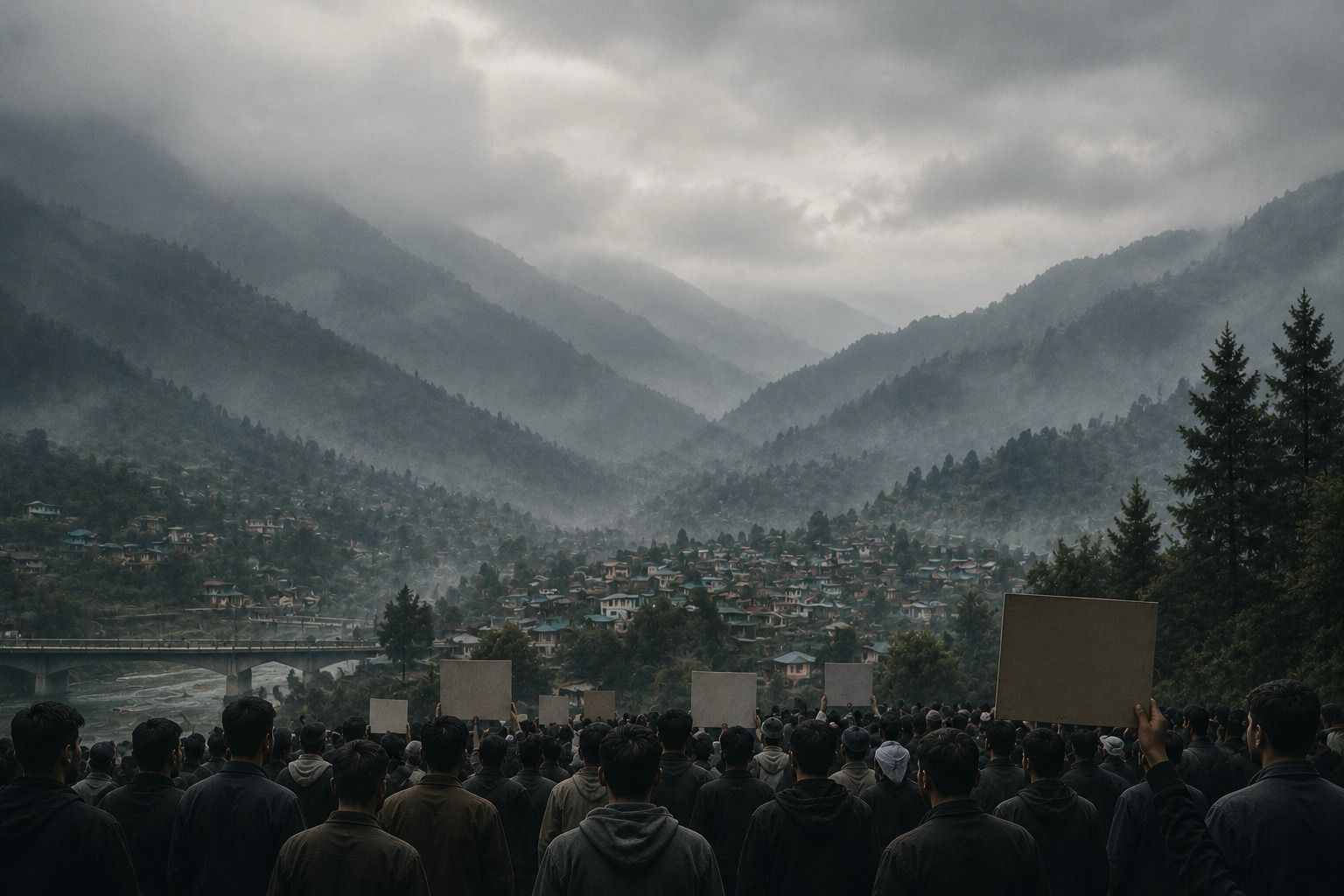
The protests in Pakistan-occupied Kashmir (also known as the Azad Jammu and Kashmir or AJK) in September 2025 marked a significant shift in the socio-political panorama of the region. Led by the Jammu and Kashmir Joint Awami Action Committee (JKJAAC), the campaign underscored the profound structural dependency that defines AJK’s connection with Islamabad, as well as the growing gap between Azad rhetoric and the lived reality of neglect. According to the reports, the uprising heralded an alteration in Kashmiri politics from ideological fervour to accountability and rights-based agency, revealing the paradox of a so-called ‘liberated’ territory perpetuated through dependency. The conclusions also suggest that long-term structural disdain and eroding legitimacy may have broader effects on stability throughout Pakistan’s administrative periphery.
This paper examines how weakening legitimacy, fiscal inequalities, and entrenched elite patronage have shaped governance in Azad Jammu and Kashmir (AJK). It demonstrates how socioeconomic deprivation and ineffective leadership converged to generate a collective demand for dignity and self-determination, interpreted through the frameworks of legitimacy and grievance theory.
CLICK HERE TO DOWNLOAD



Leave a Reply
You must belogged in to post a comment.