
Introduction
This study shows that informal markets usually have two kinds of vendors: some are more organised and stable, while others are scattered and insecure. The less secure vendors often face harassment, eviction, and financial difficulties, despite playing a significant role in keeping goods affordable for people. Laws exist to protect them, but they are not enforced properly, and power is unequally distributed among different groups. These problems are not unique to one market; they are likely to be observed in other markets as well. Unless governments make genuine changes, such as providing vendors with clear legal protection, enhancing market infrastructure, supporting vendor groups, and utilising technology more effectively, the same issues will continue to recur.
EXECUTIVE SUMMARY
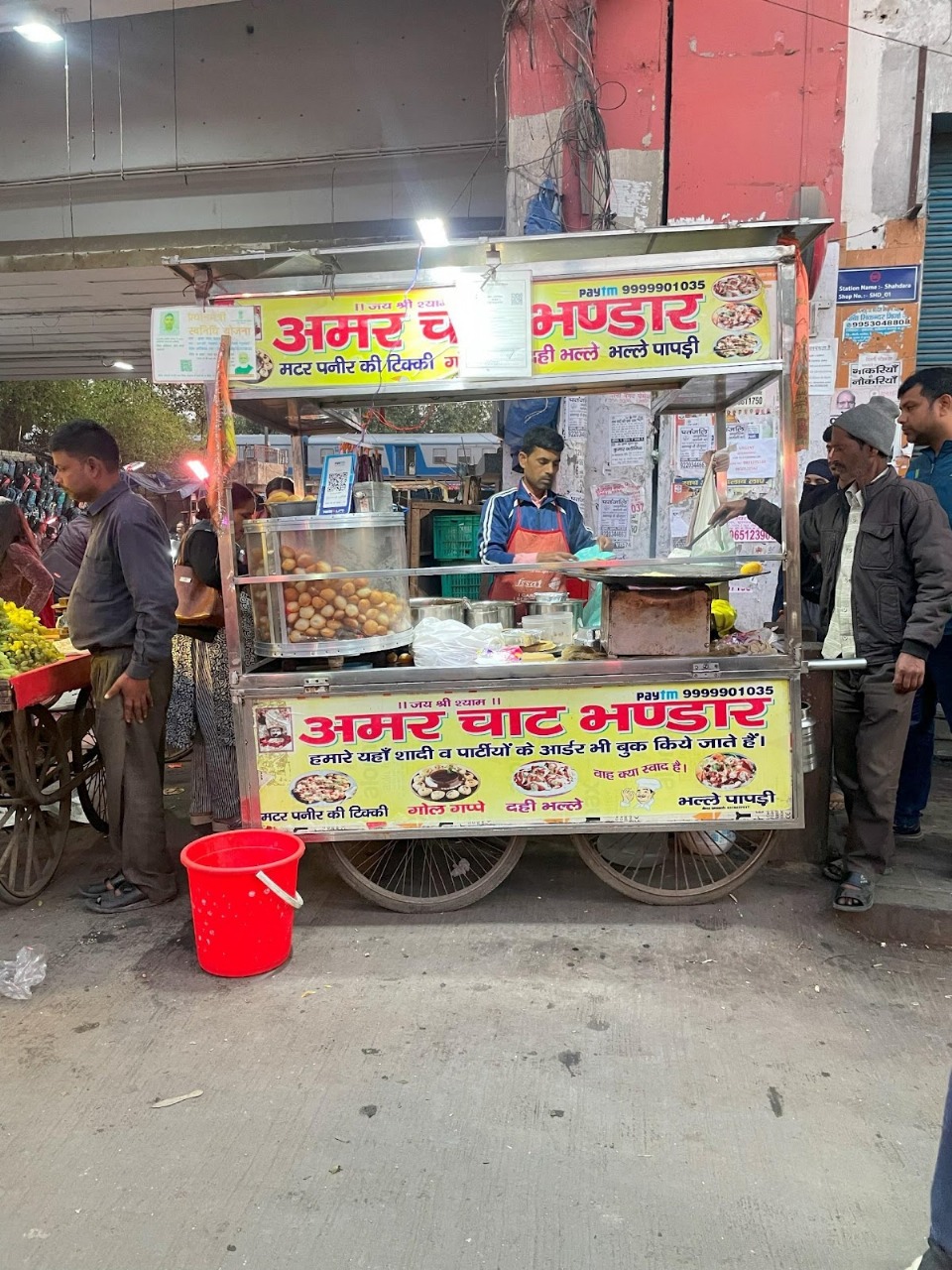
Chhota Bazaar in Shahdara, Delhi, is a historically significant marketplace that captures the duality of India’s informal economy. This study, conducted from February 2025 – March 2025, investigates the coexistence of organised street vendors, who operate with relatively greater stability, and unorganised vendors, who remain vulnerable to systemic risks despite their critical role in sustaining and catering to low-income consumers. Using a combination of field observations, stakeholder interviews, and secondary data, the research uncovers structural, economic, and governance-related challenges shaping the market.
CLICK HERE TO DOWNLOADPlease follow and like us:




Leave a Reply
You must belogged in to post a comment.